
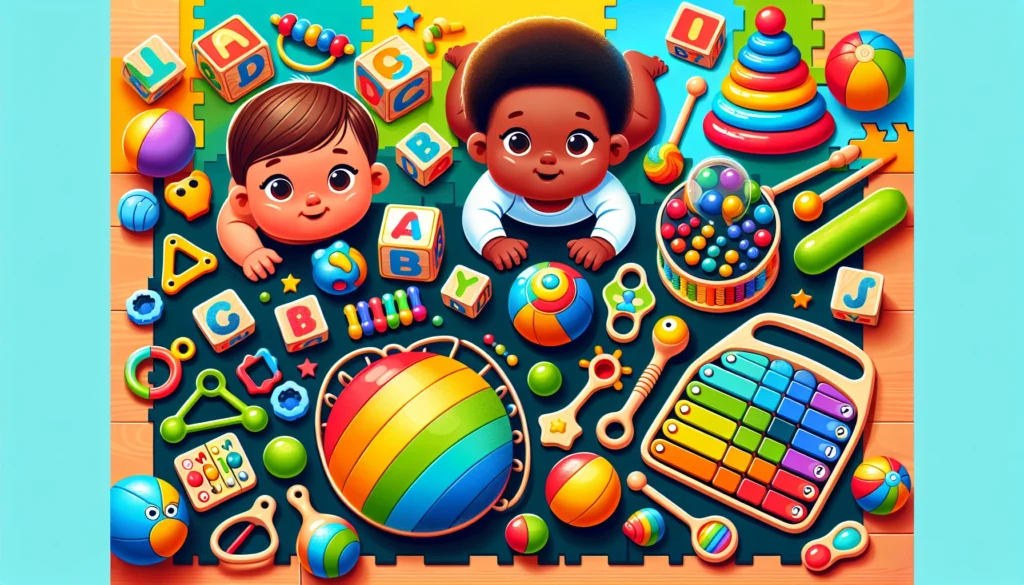
Choosing the right toys for a baby can feel like navigating a jungle of brightly colored plastic. But fear not! Baby educational toys are here to save the day, turning playtime into a fun-filled learning adventure. These toys aren’t just distractions; they’re essential tools that spark curiosity and lay the groundwork for future success.
Overview of Baby Educational Toys
Baby educational toys offer essential benefits that enhance early learning. These toys come in various forms, including building blocks, shape sorters, and musical instruments. Each type targets specific developmental areas such as fine motor skills, cognitive abilities, and sensory experiences.
Building blocks promote creativity and problem-solving. When babies stack or arrange blocks, they develop spatial awareness and hand-eye coordination. Shape sorters encourage recognition of shapes and colors while enhancing critical thinking as children figure out how to fit pieces into designated slots.
Musical instruments introduce cause and effect concepts. Babies learn that pressing a button or striking a surface produces sound, stimulating auditory development. Activities involving music can also improve rhythm and listening skills, contributing to language development.
Books designed for infants serve another educational purpose. They introduce babies to language, improve vocabulary, and enhance comprehension. Engaging pictures and interactive features capture attention, encouraging a love for reading early on.
Toys that encourage role play foster social skills and imagination. Items such as dolls and playsets allow babies to mimic real-life scenarios. Through this imaginative play, children learn empathy and cooperation as they interact with others.
Educational toys also support sensory development. Textured toys stimulate touch, while toys with different sounds enhance auditory perception. Visual toys with bright colors and patterns improve focus and visual tracking skills.
Choosing the right educational toys plays a crucial role in a child’s growth. Parents should consider a child’s age, interests, and developmental stage when selecting toys. High-quality materials and safe designs ensure that playtime remains secure and beneficial. By prioritizing educational toys, parents lay a solid foundation for their children’s future learning and development.
Types of Baby Educational Toys

Various types of baby educational toys cater to different developmental needs, enhancing learning and play simultaneously.
Sensory Toys
Sensory toys stimulate babies’ senses through textures, colors, and sounds. These toys engage touch, sight, and hearing, fostering sensory exploration. Textured balls, soft blocks, and crinkly fabric books provide varied tactile experiences. Bright colors capture infants’ attention, promoting visual development and encouraging color recognition. Sounds, like rattles and squeaky toys, introduce auditory stimulation. Engaging in sensory play helps form neural connections essential for cognitive development. Parents find these toys beneficial for supporting babies’ curiosity about their environment.
Stacking and Building Toys
Stacking and building toys encourage problem-solving skills and creativity. Building blocks enable babies to explore concepts like balance and structure. These toys come in various shapes, sizes, and materials, allowing for diverse play experiences. Stacking rings teach color recognition and hand-eye coordination as infants learn to stack them in order. Engaging with these toys also fosters cooperative play when shared with siblings or friends. Caregivers appreciate how stacking and building toys lay the groundwork for future mathematical skills.
Musical Instruments
Musical instruments introduce babies to rhythm and sound, fostering auditory development. Rattles, xylophones, and tambourines encourage exploration of cause and effect as babies discover how to make sounds. Playing instruments enhances fine motor skills and hand-eye coordination. Rhythmic play can also improve cognitive abilities, as infants respond to different tempos and melodies. Sharing musical experiences with caregivers strengthens social bonds while instilling an appreciation for music. Parents notice how these instruments enhance overall sensory development, creating a fun learning environment.
Benefits of Baby Educational Toys
Baby educational toys offer numerous advantages that support early childhood development across various domains. Engaging with these toys fosters skills that contribute to a child’s overall growth.
Cognitive Development
Cognitive development significantly benefits from baby educational toys. Toys like shape sorters and building blocks promote critical thinking and problem-solving skills. Engaging with different shapes and colors enhances recognition abilities. Babies learn to associate actions with outcomes through toys that encourage exploration. This exploration sparks curiosity, which is the foundation of learning. Puzzles also challenge a child’s cognitive abilities by promoting memory and logic skills.
Motor Skills Enhancement
Motor skills enhancement is another key advantage of baby educational toys. Toys designed for stacking and manipulation encourage fine motor skill development. These actions require precision and coordination. Playing with building blocks allows infants to strengthen hand-eye coordination as they grasp and position the blocks. Larger toys that involve pushing or pulling support gross motor skills as babies learn to crawl or walk. Each interaction with these toys builds muscle strength and promotes physical activity, which is crucial for healthy development.
Choosing the Right Baby Educational Toys
Selecting suitable baby educational toys enhances learning and play. By considering various factors, parents can maximize their child’s development during playtime.
Age Appropriateness
Age-appropriate toys cater to specific developmental milestones. For infants, soft fabric toys promote sensory exploration. Toys designed for toddlers focus on fine motor skills and problem-solving. For example, shape sorters and stacking rings aid in cognitive development and encourage curiosity. Older babies benefit from toys that introduce more complex concepts, like musical instruments. Selecting toys matching the child’s age ensures safety and engagement, creating a more beneficial play experience.
Safety Considerations
Safety remains paramount when choosing baby educational toys. Non-toxic materials must be a priority, ensuring the baby’s health and well-being. Small parts pose choking hazards, so selecting age-appropriate toys prevents accidents. Soft, rounded edges are ideal for preventing injuries during play. Parents should always check for safety certifications or labels, which indicate compliance with safety standards. Regularly inspecting toys for wear and tear contributes to a safer environment. By prioritizing safety, parents create a secure space for exploration and learning.
Conclusion
Choosing the right baby educational toys is essential for fostering a child’s growth and development. These toys not only entertain but also serve as crucial tools for enhancing cognitive skills and motor abilities. By engaging with toys that stimulate curiosity and creativity, babies can explore their world in a safe and enriching environment.
Parents should prioritize age-appropriate options that align with their child’s developmental stage while ensuring safety through non-toxic materials and sturdy designs. With thoughtful selection, playtime can become a powerful learning experience, laying the foundation for a lifetime of curiosity and discovery. Investing in quality educational toys is an investment in a child’s future.