
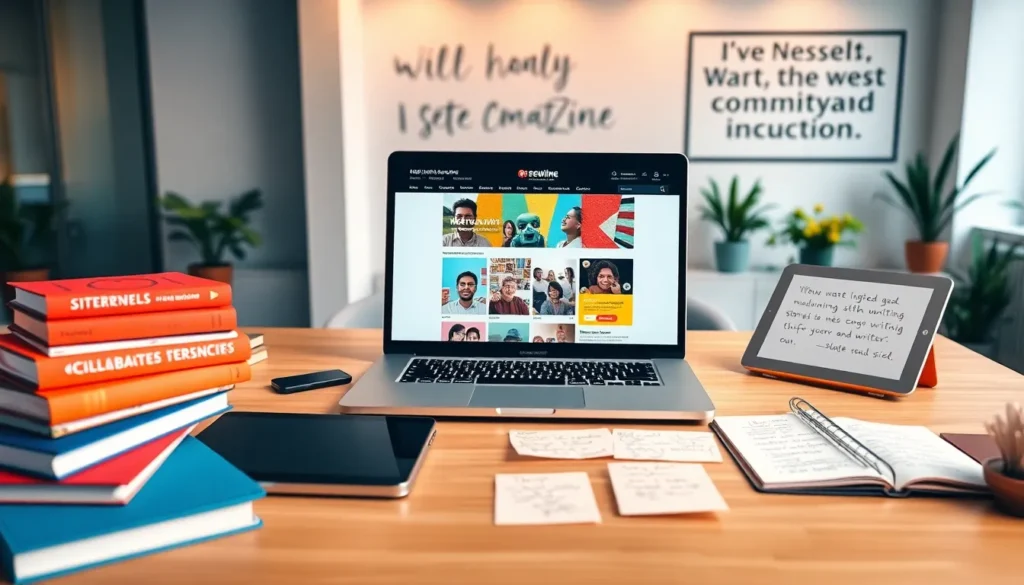
In an age where scrolling through content has become second nature, digital magazines are the new frontier of publishing. They offer more than just pages of static text: they combine the creativity of traditional magazines with the interactivity of the web. Enter #Redwebzine, where vibrant design meets engaging content in a way that’s hard to resist. Have you ever thought about how flipping through a digital magazine can be just as thrilling as flipping through the latest hard copy, only without the paper cuts? Let’s jump into this fascinating evolution and see what makes #Redwebzine a must-check-out in the digital media landscape.
The Rise of Digital Magazines

Digital magazines have surged in popularity over the last few years, particularly as more consumers gravitate toward online content. The rise of mobile devices and high-speed internet has transformed how readers interact with publications. No longer constrained by print deadlines, publishers can update their content in real time, ensuring that readers receive the most current information available. This adaptability is a game changer, especially in a world where trends shift at lightning speed. In fact, studies have shown that digital magazines enjoy higher engagement rates than their print counterparts. With interactive elements like videos, podcasts, and clickable links, readers can immerse themselves in a rich multimedia experience. The convenience of access also adds to their allure, allowing people to carry an entire library in their pockets, making waiting rooms, commutes, and even lazy Sundays more entertaining. No wonder the digital magazine revolution is in full swing.
Defining Redwebzine
At its core, #Redwebzine represents a new wave of digital storytelling. It’s more than just an online publication: it’s a community where creativity and technology meet. This platform embodies the essence of modern digital magazines, offering unique content that ranges from in-depth feature articles to engaging multimedia pieces. Unlike traditional magazines that can be bogged down by lengthy publishing cycles, #Redwebzine thrives on immediacy and relevance, making it an essential resource for those seeking cutting-edge trends and ideas. By leveraging social media and internet culture, #Redwebzine resonates with a diverse audience, bridging gaps between artists, writers, and readers. The hashtag itself, #Redwebzine, serves not only as a branding tool but as a call to action, inviting users to engage in conversations and share the content across their networks. This dynamism helps foster an inclusive atmosphere, empowering voices that might otherwise go unheard.
Key Features of Redwebzine
So, what makes #Redwebzine stand out from the crowd? Here are a few key features that capture its essence:
- Interactive Content: Unlike static PDF versions, #Redwebzine allows readers to interact with articles, videos, and other media. This means readers can dive deeper into topics with additional resources linked right within the content.
- Community Focus: This platform emphasizes user-generated content, encouraging budding writers and creators to contribute their perspectives. It’s about building a collaborative space where everyone’s voice can shine.
- Up-to-Date Trends: #Redwebzine prioritizes relevancy, featuring stories that reflect current events and trends in real-time. This relevance not only informs but also ensures readers feel connected to ongoing conversations in their areas of interest.
- Engaging Design: A visually appealing layout can make a huge difference. #Redwebzine invests in top-notch design and layout that elevate the reading experience, combining aesthetics with functionality.
- Social Media Integration: By leveraging social platforms, #Redwebzine keeps its readers engaged even after they leave the site. Social sharing features enable easy dissemination of content, furthering reach and impact.
The Impact of Social Media on Digital Magazines
Social media has fundamentally transformed the way digital magazines operate. In the past, magazines relied heavily on print distribution and word of mouth to grow their readership. Today, platforms like Instagram, Twitter, and Facebook serve as powerful marketing tools, allowing #Redwebzine to tap into broader audiences. Readers can share their favorite articles, engage with the content, and provide immediate feedback.
Also, social media trends often dictate the topics that rise to prominence in digital magazines. Editors and writers must stay attuned to these trends, crafting content that resonates with what’s currently popular online. The result? A fluid and dynamic relationship between content creators and their audiences. Also, social platforms allow magazines to track reader preferences and interests, adapting their strategies in real-time. As a result, digital magazines that embrace social media can cultivate loyal communities and foster deeper relationships with their readers.
Engaging with the Redwebzine Community
Community engagement is key to the success of #Redwebzine. The platform encourages its readers to actively participate, transforming them from passive consumers to engaged contributors. Through comments, shares, and user-generated content, the magazine creates a vibrant community atmosphere. In fact, it hosts regular events and challenges that invite readers to submit their work, whether it’s an essay, artwork, or even video content. This inclusivity not only fuels creativity but also fosters a sense of belonging among its users. Also, discussions around articles often spill over to social media, extending the reach and impact of every piece. Those who engage with #Redwebzine quickly find themselves part of a larger conversation about creativity, innovation, and culture.
Future Trends in Digital Publishing
As technology evolves, so does the world of digital publishing. Future trends indicate that magazines like #Redwebzine will continue to prioritize interactivity and personalization. Readers are no longer satisfied with generic content: they expect tailored experiences that align with their interests. Artificial intelligence could play a role here, allowing publishers to analyze reader behavior and curate content customized for individual preferences. Besides, augmented reality (AR) offers exciting possibilities for enhancing the reading experience, allowing users to interact with articles in new and engaging ways. Imagine pointing your device at an article and watching relevant videos spring to life. Also noteworthy is the sustainability challenge in publishing. Digital outlets like #Redwebzine can set a precedent by promoting eco-friendly practices, whether in their digital infrastructure or through the topics they cover. As they lead the charge in these areas, it’s clear that the future of digital magazines is bright.